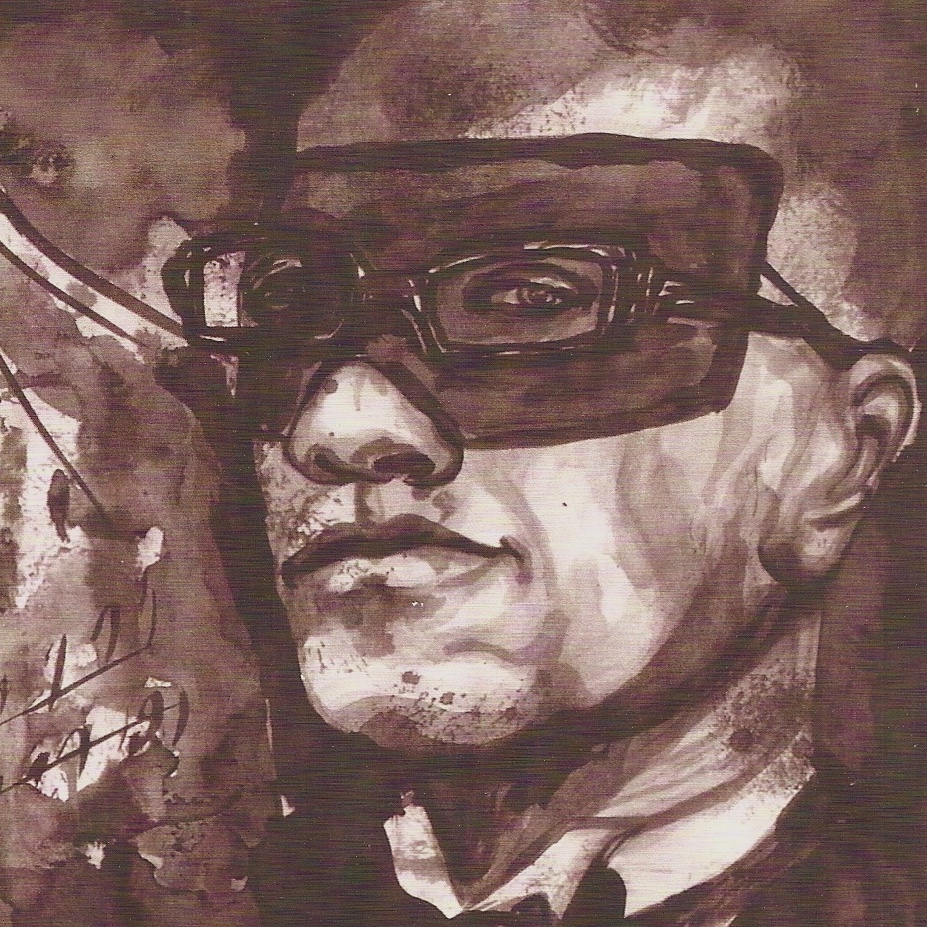
Shady Detectives
-
Ponson du Terrail, Les Drames de Paris: Rocambole, reissued in 157 weekly installments (Paris: Jules Rouff, 1883-1886). Cover by Kauffmann. Collection: Bibliothèque des Littératures Policières, Paris. Pierre Alexis Ponson du Terrail (1829-1871) was the most prolific and commercially successful popular novelist of nineteenth-century France. His enduring character is Rocambole, a criminal-turned-avenger hero whose exploits were…
-
The Count of Monte Cristo by Alexander Dumas, “Classics Illustrated” Comics no. 3 (1941). Source: Andrew Wallace, Old-Fashioned Comics, November 8, 2017. “The Diamond and Vengeance” is one of many stories recounted in Mémoires tirés des archives de la police de Paris (“Mementoes drawn from the Paris Police Archives,” 1838), attributed to Parisian lawyer, statistician,…
-
Lacenaire (Marcel Herrand, left) and Count Édouard de Montray (Louis Salou, right) in Les enfants du paradis, directed by Marcel Carné (Pathé Studios, 1945). Photo: Children of Paradise (Les enfants du paradis), The Criterion Collection DVD (2012). It only took the criminal court three days to convict Lacenaire of theft, murder, and attempted murder. In…
-
“Murder in the Cheval-Rouge Passageway” (detail). Causes Célèbres no. 7 (1859). Collection: Bibliothèque des littératures policiers, Paris. When Pierre-François Lacenaire was arrested in January 1835, he was simply a criminal miscreant, yet another thief soon to go on trial for murder. That November, however, courtroom coverage by multiple Parisian newspapers transformed him into a media…
-
“Robert Macaire,” caricature of M. Rosolin by Honoré Daumier (1835). Collection: Armand Hammer Museum, Los Angeles. In 1848, the melodrama Fualdès was staged in Paris at the Théâtre de la Gaité on the Boulevard du Temple, popularly known as the “Boulevard of Crime.”[1] Melodrama, pioneered by playwright Guilbert de Pixerécourt at the end of the…
-
Engraving by Louis Dupré, “Mr. Fualdès” (1817). Private Collection: Ciminocorpus. The morning of March 20, 1817, the corpse of retired prosecutor Antoine Bernadin Fualdès was discovered with a slashed jugular vein along the banks of the Aveyron River, outside the city of Rodez in Southern France. Over the next two years, an entirely fabricated and…
-
Frontispiece portrait of Lacenaire by Levilly in Mémoires, révélations et poésies de Lacenaire écrits par lui-même, à la Conciergerie, 2 vols. (Paris: Chez les Marchands de Nouveautés, 1836). Gallica: Bibliothèque nationale de Paris. In the month before his execution in January 1836, convicted thief and murderer Pierre-François Lacenaire spent his final days in the Conciergerie…
-
Publicity poster for Vidocq, grand film en 10 épisodes, starring René Navarre (1923). Gallica: Bibliothèque nationale de France. When considering Vidocq’s legacy, it is important to keep in mind he was not a Sûreté detective. The reason is simple: the Sûreté was only created in 1853, shortly before Vidocq’s death in 1857, long after his…
-
Dustjacket Cover of Vidocq: The Personal Memoirs of the First Great Detective, trans. Edwin Gile Rich (Cambridge, Mass.: Houghton Mifflin, 1935). Author’s Collection. The primary value of Vidocq’s Mémoires lay in its formulation of the detective as a heroic character. As French historian Dominique Kalifa has convincingly shown, nineteenth-century published accounts of the Parisian bas-fonds…
-
“Portrait of Eugène Vidocq, Adventurer and Security Police Chief,” by Achille Devéria, c. 1828. Wikipedia Commons: Musée Carnavalet, Paris. Note the caricature embellishments. In June 1827, Vidocq resigned from his position as security squad chief, ostensibly because he disagreed with how the Paris Prefecture of Police was being run. Others from within the Prefecture were concerned…
 Shady Detectives, Elegant Criminals & Dark Avengers